
Navigating Medicare can feel like deciphering a complex puzzle, especially when you're approaching retirement and wondering about something as crucial as prescription drug coverage. For many turning 65, the question of "Will Medicare cover my prescription drugs?" is a top concern, and it's easy to feel overwhelmed by the sheer volume of information. At Randy Sinanan Insurance, we understand this confusion and are here to help simplify the process, guiding you through the ins and outs of Medicare Part D.

Original Medicare and Your Medications
When you first enroll in Medicare, you'll typically be covered by Original Medicare, which includes medicare part a and b. Medicare Part A primarily covers hospital care, while Medicare Part B handles outpatient services, doctor visits, and some preventative care. However, a common misconception is that these parts automatically cover all your prescription medications. The truth is, Original Medicare generally does not cover most outpatient prescription drugs. This is a critical point for anyone planning their healthcare in retirement, as daily medications can be a significant expense without proper coverage.
Introducing Medicare Part D: Your Prescription Drug Solution
To address the gap in prescription drug coverage, Medicare offers Part D, which is a standalone prescription drug plan. These plans are offered by private insurance companies that are approved by Medicare. Medicare Part D plans help cover the costs of prescription drugs, and each plan has its own formulary – a list of covered drugs – usually organized into tiers that determine your out-of-pocket costs. Understanding these formularies and how they apply to your specific medications is crucial for choosing the right plan. Without a Part D plan, you would be responsible for 100% of your outpatient prescription drug costs.
How Part D Fits with Other Medicare Options
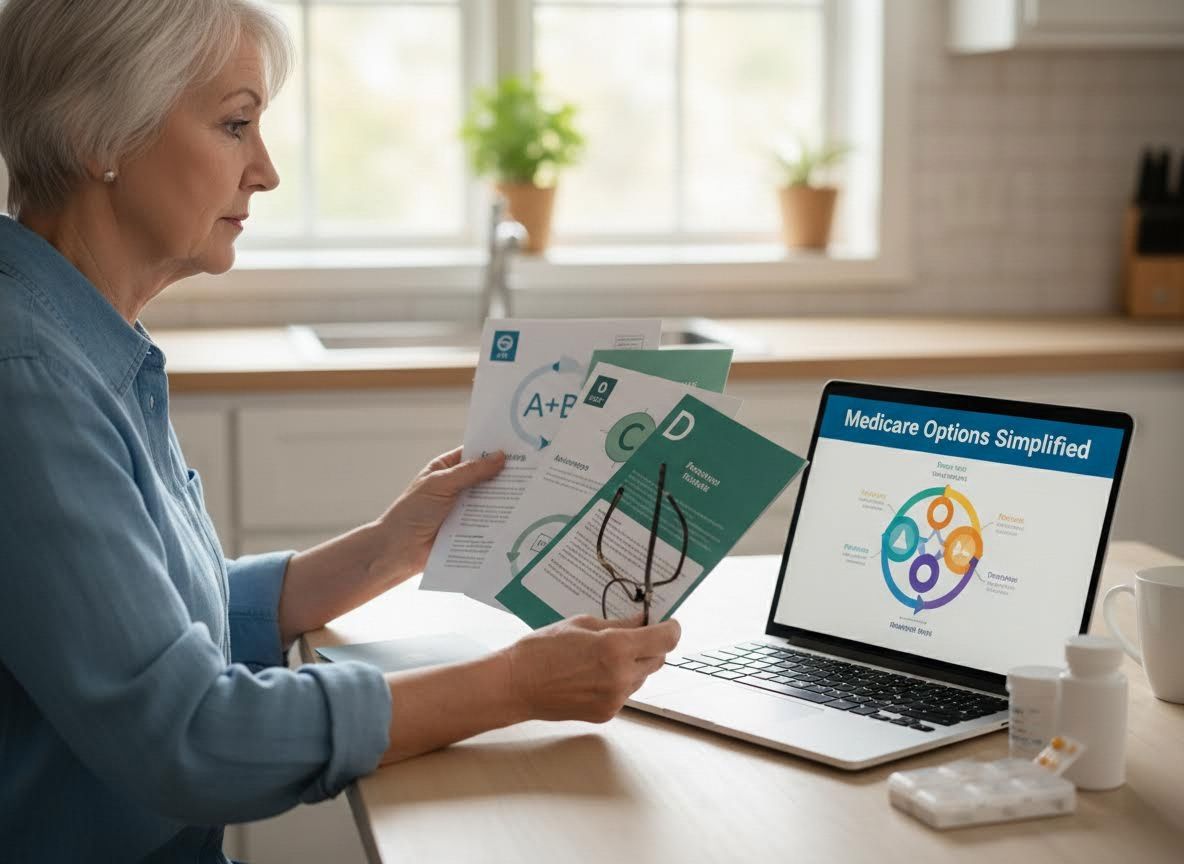
When considering your Medicare options, you'll encounter different ways to get your coverage. Some individuals choose to stay with Original Medicare (medicare part a and b) and add a standalone Medicare Part D plan. Others might opt for medicare advantage plans (also known as Part C), which are all-in-one plans offered by private companies that include Part A, Part B, and often prescription drug coverage (MAPD plans). If you choose a Medicare Advantage plan that includes drug coverage, you generally won't need a separate Part D plan. Conversely, if you have Original Medicare and decide to enhance your coverage with medicare supplement plans, you will still need to enroll in a separate Medicare Part D plan to cover your prescriptions, as Medicare Supplement plans do not include drug coverage.
Navigating Your Choices and Avoiding Penalties
Choosing the right Medicare Part D plan requires careful consideration of your current medications, your budget, and potential future healthcare needs. There are specific enrollment periods, and it’s important to sign up for a Part D plan when you are first eligible to avoid late enrollment penalties, which can increase your premiums for as long as you have Part D coverage. The process can seem daunting, with various plans, formularies, and costs to compare. This is where the guidance of an experienced insurance agent, particularly a medicare insurance agent, can be incredibly valuable in helping you make an informed decision that aligns with your unique situation.
Understanding how Medicare covers prescription drugs is a vital step in planning your healthcare as you approach or enter retirement. While Original Medicare provides essential hospital and medical coverage, Medicare Part D is the component designed to help with the costs of your daily medications. The decisions around Part D, whether standalone or integrated into a Medicare Advantage plan, are complex and highly personal. For clear, honest, and easy-to-understand guidance tailored to your specific needs, consider exploring resources that can simplify Medicare and help you confidently make informed healthcare decisions.